
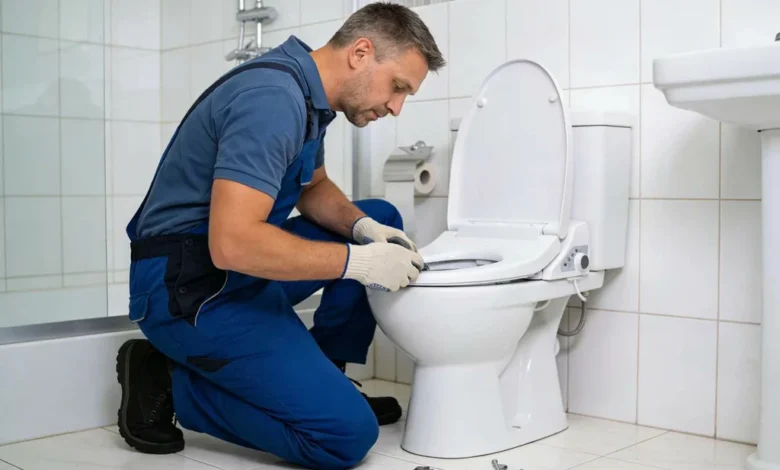
Interest in bidets has grown steadily across Australian households over the past few years, driven by a mix of hygiene awareness, water-saving habits and simple comfort. But there’s a gap between wanting one and actually understanding what bidet installation involves — and that gap is where most of the confusion (and unnecessary cost) creeps in.
Whether you’re eyeing a full standalone unit or a seat that attaches to your existing toilet, knowing what’s involved before you call a tradesperson puts you in a far stronger position to get a fair quote and a job done properly the first time.
The Two Installation Paths, Explained Simply
There are two fundamentally different jobs hiding under the same search term, and mixing them up is the single biggest source of quote confusion.
Retrofit bidet seats attach directly to your existing toilet bowl, provided the bowl shape and seat mounting points are compatible (most standard Australian toilets are, but older or unusual bowl shapes sometimes aren’t). This is the faster, less invasive option — typically a couple of hours of work involving a water supply connection and, for electronic models, a nearby power point.
Standalone bidet toilets replace the entire fixture. This means removing the old toilet, adjusting the waste connection if needed, and installing a new unit with integrated washlet functionality. It’s a bigger job, closer to a full toilet replacement, and it needs to be treated — and quoted — that way.
Neither is right or wrong; they suit different situations. Renters, budget-conscious households, or anyone unsure whether they’ll like a bidet function tend to start with a retrofit seat. Homeowners already renovating, or those who want the cleanest possible look and best-integrated performance, generally go straight to a standalone unit.
What a Qualified Tradesperson Actually Checks
This is where working with genuine bidet installers rather than a general handyman starts to matter. A properly qualified installer will check several things before they even open their toolbox:
- Water pressure at the isolation valve, to confirm compatibility with the spray function
- Whether a dedicated, wet-area-rated power point exists nearby (for electronic units)
- The waste outlet configuration — P-trap or S-trap — to confirm compatibility with the new fixture
- Clearance behind and beside the unit for servicing access down the track
- Local plumbing code compliance, particularly around backflow prevention
Skipping these checks is how installations end up with intermittent electrical faults, weak water pressure at the nozzle, or units that simply don’t fit the existing waste configuration once the old toilet is removed. A rushed job might look fine on installation day and start causing problems within a few months.
Why Backflow Prevention Isn’t Optional
This point gets glossed over more often than it should. Bidet seats and washlets connect directly into your home’s potable water supply, which means backflow prevention is a genuine plumbing compliance issue, not just a nice-to-have.
Without a properly installed backflow prevention device, there’s a theoretical risk of contaminated water being siphoned back into the clean water supply during a pressure drop — the kind of thing local water authorities take seriously for good reason. A licensed plumber will fit the appropriate device as standard practice; it’s one of the easiest ways to spot a corner-cutting installer, because it’s a step that’s invisible once the job is finished but critical to get right.
Power, Water Pressure and the Details That Get Missed
Electronic bidet seats with features like heated seats, warm water and air-drying functions need a stable power supply, and Australian wet-area regulations are specific about where and how that power point can be positioned relative to water sources. An installer cutting corners here isn’t just risking a warranty voidance — they’re creating a genuine safety issue.
Water pressure is the other detail that trips up DIY attempts. Most washlet functions are engineered for a specific pressure range, and connecting to a supply that’s too low results in a weak, unsatisfying spray, while pressure that’s too high can cause premature wear on internal seals. A qualified installer tests this before finalising the connection rather than assuming it’ll be fine.
If you’re comparing quotes or trying to understand the full process end-to-end, this breakdown of the installation process covers what’s typically included in a professional job, from the initial assessment through to final testing.
Questions Worth Asking Before You Book Anyone
A few direct questions upfront will filter out installers who aren’t set up to do this properly:
- Have you installed this specific brand or model before?
- Is backflow prevention included in the quote, or is it an add-on?
- What happens if the existing waste configuration doesn’t match the new unit?
- Is there a workmanship warranty separate from the manufacturer’s product warranty?
- Roughly how long will the job take, and what’s included in that time?
Getting clear answers here before committing avoids the frustrating scenario where a “quick job” turns into a half-day project with unexpected extra charges.
Retrofit vs Full Replacement: A Cost Reality Check
It’s tempting to assume a retrofit seat is always cheaper — and in terms of the unit itself, it usually is. But once you factor in labour, the total cost gap between a retrofit installation and a full standalone unit replacement can be smaller than expected, particularly if your existing toilet is older and would benefit from replacement anyway.
The smarter approach is to get both options quoted properly rather than assuming one is automatically the more sensible choice. A good installer will tell you honestly if your existing bowl isn’t a great candidate for a retrofit seat, even if that means a bigger job and a bigger invoice — that’s a sign you’re dealing with someone giving you straight advice rather than upselling unnecessarily.
Aftercare That Actually Extends the Unit’s Life
Installation day isn’t the end of the story. A few basic habits keep a bidet seat or toilet performing well for years rather than degrading within twelve months:
- Wipe the nozzle housing monthly to prevent mineral scale build-up
- Avoid abrasive or bleach-based cleaners directly on electronic components
- Check inline filters every few months if your model has one fitted
- Have the isolation valve and connections inspected annually as part of general home plumbing maintenance
None of this is complicated, but it’s the kind of low-effort maintenance that gets forgotten once the novelty of a new bathroom fixture wears off.
Getting It Right the First Time
The difference between a bidet installation that quietly works for the next decade and one that causes recurring headaches almost always comes down to who does the work and how thoroughly they check the details beforehand. Water pressure, power compatibility, waste configuration and backflow prevention aren’t optional extras — they’re the fundamentals of a compliant, reliable installation.
Take the time to ask the right questions, get comparable quotes for both retrofit and standalone options, and prioritise a tradesperson who treats compliance as non-negotiable rather than a box-ticking afterthought. It’s a small amount of upfront diligence for a fixture you’ll be relying on daily for years to come.


