
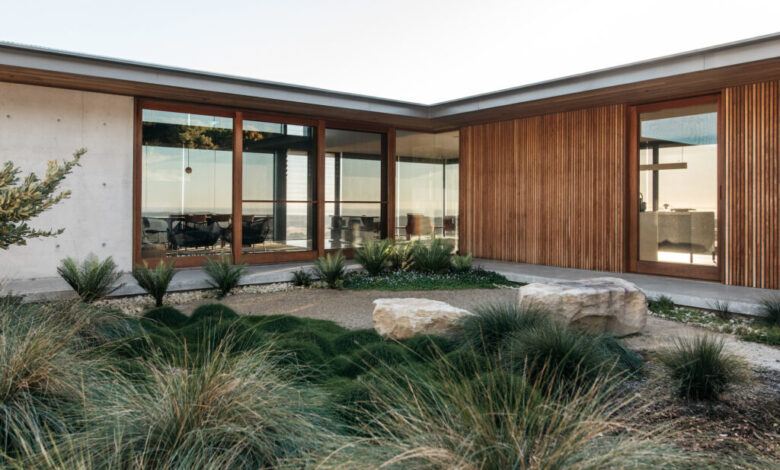
Byron Bay occupies a unique place in the Australian landscape imagination. It’s a region defined by its natural beauty — the hinterland ranges, the subtropical vegetation, the quality of light, the proximity to the ocean. For homeowners lucky enough to own property in or around Byron Bay, that setting creates both an extraordinary opportunity and a genuine design responsibility.
The best landscaping in Byron Bay doesn’t fight the landscape — it works with it. It draws on the region’s native plant palette, references its organic forms, and creates outdoor spaces that feel like a natural extension of the broader environment. Done well, a landscaped Byron Bay property feels like it has always been there. Done poorly, it looks like it was lifted from a catalogue and dropped into the wrong setting.
This guide explores what distinguishes exceptional landscape design in Byron Bay from the ordinary, and what homeowners should consider when planning their outdoor spaces in this remarkable corner of Australia.
The Byron Bay Landscape: Understanding the Setting
Before discussing design approaches, it’s worth appreciating what makes the Byron Bay landscape distinctive — because that distinctiveness should directly inform every design decision on a property in the region.
The Byron Shire sits in a subtropical climate zone, receiving significantly more rainfall than coastal areas further south. This has produced exceptionally lush, biodiverse native vegetation — subtropical rainforests, tall open forests, coastal heath, and wetland systems. The region hosts an extraordinary number of plant species, including many that are endemic or rare. This ecological richness is both an asset and a responsibility for homeowners with properties that adjoin bushland or creek corridors.
The soil profile across the region is highly variable. Volcanic red soils — the famous Lismore basalt soils — support some of Australia’s most fertile agricultural land. Coastal properties sit on sand, with rapid drainage and limited nutrient retention. Properties in the hinterland face a range of conditions depending on elevation, aspect, and proximity to waterways. Understanding the specific soil conditions of a property is foundational to plant selection and garden management.
The climate — warm temperatures year-round, high summer humidity, and a distinct wet season — creates growing conditions that are genuinely different from southeastern Australia. Plants that are considered difficult or slow-growing in Melbourne thrive with minimal intervention in Byron’s conditions. Conversely, many plants that are reliable performers in temperate climates struggle with the heat, humidity, and pest pressure of a subtropical setting.
Design Principles for Byron Bay Properties
The design principles that guide successful Byron Bay landscaping are shaped by the region’s ecology, climate, and cultural character. Properties in Byron Bay tend to attract homeowners who value authenticity, sustainability, and connection to place — and the best landscape designs reflect those values.
Work with the native palette: Byron Bay’s native plant community is extraordinarily rich, and drawing on it for garden planting is both ecologically appropriate and aesthetically powerful. Lilly pillies, native gingers, bangalow palms, macadamias, hoop pines, and the extraordinary diversity of local rainforest understorey species offer landscapers an almost limitless range of textures, forms, and seasonal interest. These plants are adapted to the conditions, support local wildlife, and create the sense of place that generic exotic planting schemes simply cannot match.
Minimise the boundary between garden and bush: On properties that adjoin remnant vegetation, one of the most effective design strategies is to blur the line between managed garden and natural bush. Transitional planting zones that move gradually from cultivated to wild, using locally native species, create a sense of the garden extending seamlessly into the broader landscape.
Embrace natural materials: Byron Bay’s design aesthetic — across architecture, interiors, and landscape — tends toward natural, tactile materials. Sandstone, recycled timber, raw steel, rammed earth, and hand-made ceramics all work well in the regional context. Polished concrete and highly manufactured materials can feel discordant against the organic character of the landscape.
Design for outdoor living year-round: Byron Bay’s climate supports true year-round outdoor living in a way that few other Australian regions can match. Landscaping that creates genuinely functional outdoor rooms — with shade structures for the hot summers, comfortable seating areas, and outdoor kitchens or fire pits for the cooler months — makes excellent use of the climate’s year-round generosity.
Experienced landscapers in Byron Bay who understand the region’s ecological and design context are best placed to create spaces that genuinely belong in this remarkable landscape.
Sustainability and Ecological Responsibility in Byron Bay Gardens
More than in most Australian locations, homeowners in Byron Bay are interested in the ecological footprint of their landscaping choices. This reflects the region’s strong environmental culture and the genuine ecological value of its local landscape.
Weed management is a critical consideration for any Byron Bay property, particularly those with bushland boundaries. Invasive exotic plants — lantana, bitou bush, kikuyu grass, camphor laurels — are ongoing challenges across the region, and landscaping choices can either contribute to the problem or help address it. Choosing non-invasive species, removing existing weed infestations as part of a garden establishment programme, and selecting species that won’t escape into adjoining vegetation are all ecologically responsible practices.
Water management in Byron Bay presents a different challenge to drier regions of Australia. With high rainfall, the primary water management priority is often handling excess water rather than conserving it. Good drainage design, rain gardens, and wetland-inspired planting areas that manage stormwater on-site reduce runoff and water quality impacts on local waterways. These approaches also create beautiful design features in their own right.
Wildlife habitat value is another dimension of garden design that resonates strongly with Byron Bay homeowners. Gardens that incorporate food sources for local birds, nesting habitat for reptiles and small mammals, and flowering plants that support pollinating insects contribute actively to the broader ecological health of the region. Designing with wildlife in mind doesn’t require sacrificing aesthetics — in fact, gardens designed for biodiversity tend to be among the most visually dynamic and interesting.
Heritage and Character Properties in the Byron Hinterland
The Byron hinterland — including areas like Bangalow, Mullumbimby, Federal, and Ewingsdale — contains significant numbers of heritage properties: old dairy farms, early twentieth century homesteads, and timber cottages surrounded by mature trees and established gardens. These properties present unique landscaping opportunities and challenges.
Working with existing mature trees is one of the most important considerations for hinterland properties. Mature fig trees, hoop pines, and camphor laurels (complicated as the latter are ecologically) create shade canopies and structural character that would take decades to establish from scratch. Designing garden schemes that work within and around established trees rather than removing them tends to produce more characterful results.
Practical Considerations for Byron Bay Landscaping Projects
Beyond the design philosophy, Byron Bay landscaping projects involve practical considerations that differ from projects in metropolitan areas.
Council requirements: Byron Shire Council has specific development application requirements for vegetation removal, earthworks, and construction activities near waterways and flood-prone areas. Properties in coastal, riparian, or biodiversity-sensitive zones may face restrictions on clearing vegetation or undertaking certain types of earthworks. Understanding these requirements before committing to a design is essential — discovering mid-project that a planned retaining wall triggers a development application is an expensive and time-consuming problem.
Access and logistics: Many Byron Bay properties — particularly in the hinterland — involve challenging site access. Narrow laneways, steep driveways, and remote locations can affect the logistics and cost of material delivery and equipment access. Experienced local landscaping teams will assess these factors as part of project planning.
Plant establishment in subtropical conditions: While Byron Bay’s climate supports rapid plant growth once establishment occurs, the transition from newly planted to established can be challenging. Summer heat and humidity create pest and disease pressure during the vulnerable early period. Correct plant selection, appropriate soil preparation, and sufficient watering during establishment are critical to project success.
Soil erosion management: On sloped properties — common in the hinterland — erosion management during construction and in the newly planted garden is an important consideration. Temporary erosion controls during construction, permanent retaining solutions where necessary, and ground-covering plants that stabilise soil quickly all contribute to managing this risk.
For homeowners in Byron Bay and the surrounding region, working with landscapers experienced in the area’s specific conditions is the most effective way to navigate these practical considerations while achieving a design outcome that does justice to the exceptional setting.
Byron Bay is one of the most inspiring settings in Australia for outdoor living and landscape design. Its ecological richness, extraordinary plant palette, and year-round liveable climate provide the raw ingredients for outdoor spaces of remarkable quality and character.
What distinguishes the best Byron Bay gardens is not extravagance — it’s sensitivity. Sensitivity to the site’s specific conditions, to the local ecological context, and to the region’s distinctive design culture. Gardens that achieve this feel genuinely earned, like they’ve grown out of the place rather than been imposed on it.
For homeowners in this special part of Australia, the opportunity to create an outdoor space that truly reflects its setting is one worth pursuing with genuine care and expertise.

