Split System Air Conditioning in Mandurah: Installation, Service, and Getting the Most from Your Investment

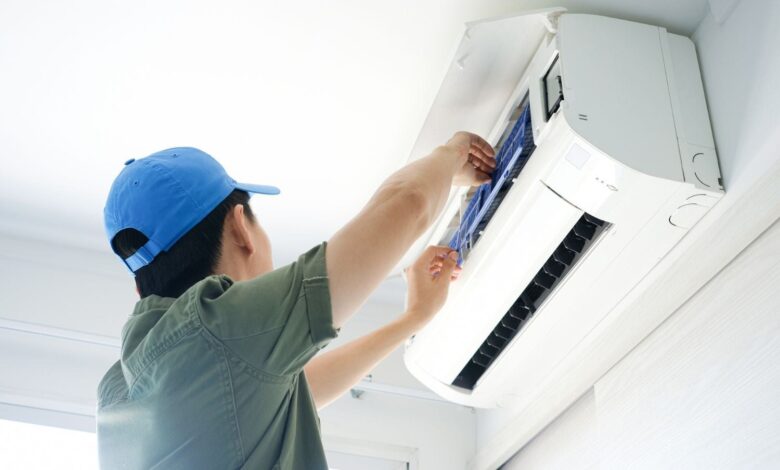
The split system air conditioner is the most installed cooling technology in Australian homes, and for good reason. It is effective, relatively affordable, flexible in where it can be placed, and available in a wide range of capacities to suit rooms from small bedrooms through to large open-plan living areas. In Mandurah, where the cooling season runs from October through to April and occasional winter cold snaps make reverse-cycle heating genuinely useful, a well-chosen and correctly installed split system delivers year-round comfort from a compact and energy-efficient package.
That said, a split system that is poorly selected, incorrectly sized, or inadequately maintained does not deliver on this promise. The gap between a split system that works brilliantly for many years and one that underperforms from the start or fails prematurely is almost always a function of installation quality and ongoing maintenance, not just the equipment itself.
This article covers the key decisions involved in split system installation in Mandurah, what a proper service visit should include, and how to get genuine long-term performance from this technology in the specific conditions of the Peel region.
Understanding Split System Technology
A split system consists of two units connected by refrigerant pipework and electrical cabling: an indoor wall-mounted unit installed inside the room being conditioned, and an outdoor condenser unit mounted on an external wall, roof, or ground slab nearby.
The indoor unit draws room air through the evaporator coil, removing heat and moisture from the air in cooling mode or adding heat from the refrigerant circuit in heating mode, and distributes conditioned air back into the room through a fan. The outdoor unit rejects the heat removed from the room (in cooling mode) or extracts heat from the outdoor air (in heating mode) through the condenser coil.
Modern split systems use inverter-driven compressors, which can vary their speed continuously rather than simply switching on and off. Inverter technology provides several practical advantages:
- Faster initial cool-down or warm-up because the compressor runs at high capacity when the demand is greatest
- More consistent room temperature once the setpoint is reached because the compressor modulates rather than cycling
- Lower energy consumption in steady-state operation compared to fixed-speed systems
- Quieter operation at lower loads
The energy efficiency of a split system is expressed as a star rating under the Australian Energy Rating scheme. More stars indicate greater efficiency, which translates to lower running costs over the system’s life. For a system that runs for six to eight months of the year in Mandurah’s extended cooling season, efficiency differences that seem small in the specifications have meaningful financial implications over time.
Sizing a Split System for Your Space
Getting the capacity right is the most important technical decision in split system selection. A system that is undersized for the space will run continuously at full capacity and still fail to maintain comfortable temperatures during peak summer conditions. A system that is oversized will cool the space too quickly, shutting off before it has adequately dehumidified the air, resulting in a cold but clammy environment.
Capacity is expressed in kilowatts (kW). As a general guide for Mandurah conditions:
- Small bedrooms of 10 to 20 square metres: 2 to 2.5 kW
- Medium rooms of 20 to 35 square metres: 2.5 to 4 kW
- Large bedrooms or small living areas of 35 to 55 square metres: 4 to 6 kW
- Medium open-plan living areas of 55 to 80 square metres: 6 to 8 kW
- Large open-plan spaces above 80 square metres: 8 kW or more, or multiple units
These are indicative figures only. Actual sizing should account for insulation levels, ceiling height, window area and orientation, sun exposure of the space, and the specific climate data for the Mandurah area. Rooms with poor insulation, high ceilings, or significant glass area facing west or north require more capacity than these benchmarks suggest.
Indoor Unit Placement: Where It Goes Determines How Well It Works
The position of the indoor unit within the room affects both the comfort of the occupants and the long-term reliability of the system.
High on the wall, centred if possible. The indoor unit should be mounted high on the wall to allow cool air to flow down and across the room effectively. Central placement on the longest wall usually provides the best distribution pattern.
Away from direct sunlight. Sunlight falling on the indoor unit’s temperature sensor causes the system to read the room as warmer than it actually is, leading to overcooling and excessive energy consumption.
Clear of obstructions. The unit needs adequate clearance above and to the sides for air intake and discharge. Curtains, furniture, and shelving within the discharge path reduce the effective coverage of the system.
Not directly above sleeping areas. Positioning the indoor unit where its discharge air blows directly onto a bed creates discomfort during sleeping hours. Angling the unit or adjusting the louver position can mitigate this, but positioning away from the bed is preferable.
For Mandurah homeowners who want to understand the full range of placement options and system specifications for their specific rooms, consulting with experienced specialists in wall split system aircon installation in Mandurah provides a site-specific assessment of the best installation approach for your home.
Outdoor Unit Installation: The Details That Determine Long-Term Performance
The outdoor condenser unit is the component most often given the least thought in a residential installation, and errors in outdoor unit placement are a common source of long-term performance problems.
Airflow clearances. The outdoor unit needs adequate space for airflow across the condenser coil. Manufacturer specifications define the minimum clearances required on each side and above the unit. Installing a unit too close to a wall, fence, or vegetation restricts this airflow and reduces efficiency and capacity.
Sun exposure. An outdoor unit that sits in direct western sun all afternoon in summer is working significantly harder to reject heat than one that is shaded during the peak afternoon hours. Shaded locations for the outdoor unit, without compromising airflow, are preferable.
Coastal and salt air considerations. For homes within a few kilometres of the coast or the Mandurah estuary, selecting a condenser unit with appropriate corrosion protection for coastal environments, and positioning it to minimise direct exposure to salt-laden sea breezes, extends equipment life significantly.
Refrigerant line length. Each additional metre of refrigerant pipework between the indoor and outdoor units increases system pressure drop and reduces efficiency slightly. It also increases the risk of refrigerant leaks over time. Minimising line length, within the constraints of practical installation, is sound practice.
What Regular Air Conditioning Service Should Include
Many homeowners limit their split system maintenance to cleaning the front panel filter themselves and calling a technician only when something goes wrong. This approach is better than no maintenance at all, but it misses several important service items that determine long-term reliability.
A professional air conditioning service in Mandurah covers the full scope of maintenance that keeps a split system operating efficiently and reliably:
Evaporator coil cleaning. The indoor coil accumulates biological matter, dust, and, in humid conditions, biological growth that the homeowner cannot effectively clean without removing the unit from the wall. A professional clean with appropriate coil cleaning chemicals restores heat exchange efficiency and addresses the musty odour that can develop from biological contamination of the indoor unit.
Condensate drain system. The drain tray and drain line must be checked for blockages and cleaned if necessary. A blocked condensate drain causes water to overflow from the indoor unit, which can damage walls, ceilings, and flooring below the unit.
Condenser coil inspection and cleaning. The outdoor condenser coil can accumulate dust, grass clippings, seed matter, and in coastal locations, salt deposits. A fouled condenser coil reduces the system’s ability to reject heat and increases energy consumption and compressor load.
Electrical inspection. Connections, contactors, and capacitors should be visually inspected for signs of deterioration. Capacitors in particular have finite service lives and can be checked without specialist equipment.
Refrigerant pressure check. A pressure check confirms whether the refrigerant charge is within the manufacturer’s specified range. Systems that are low on refrigerant run inefficiently and risk compressor damage.
Getting the Most from Your Split System: Practical Operating Tips
Even a well-installed and properly maintained split system delivers better results with sensible operating practices.
Set the thermostat to a sensible temperature. The Australian standard for energy-efficient cooling is 24 to 26 degrees Celsius. Each degree lower than this increases energy consumption by approximately 10 percent. In a Mandurah summer, setting the system to 22 degrees rather than 25 degrees adds meaningfully to your electricity bill over the season.
Use the timer and scheduling functions. Most split systems have built-in timers that can start the system before you arrive home, rather than running continuously through the day. Pre-cooling the house before the peak afternoon heat arrives, rather than fighting peak heat from scratch after arriving home, is a more energy-efficient approach.
Close curtains and blinds during peak sun hours. Reducing solar heat gain through windows during the day significantly reduces the load on your air conditioning system. West-facing windows in particular are major sources of afternoon heat gain in a WA summer.
Keep doors and windows closed while the system runs. An air conditioner cooling a house with open windows is working against itself. Seal the conditioned space while the system is operating.
Use ceiling fans in conjunction with air conditioning. A ceiling fan running in summer mode (anti-clockwise when viewed from below) circulates cooled air through the room, allowing you to set the air conditioner thermostat a few degrees higher without sacrificing comfort.
Conclusion
A split system air conditioner is one of the most practical home investments available to Mandurah homeowners. It provides flexible, efficient cooling and heating for individual rooms and spaces without the installation complexity or cost of a fully ducted system.
To deliver on that promise, it needs to be correctly sized for the space, thoughtfully installed with the outdoor unit positioned for good airflow and minimal heat gain, and maintained on a consistent schedule that goes beyond simply cleaning the front panel filter.
The difference between a split system that lasts fifteen years and delivers consistent comfort, and one that underperforms and requires expensive repairs within five years, is almost always a function of these decisions. Make them well from the start.