
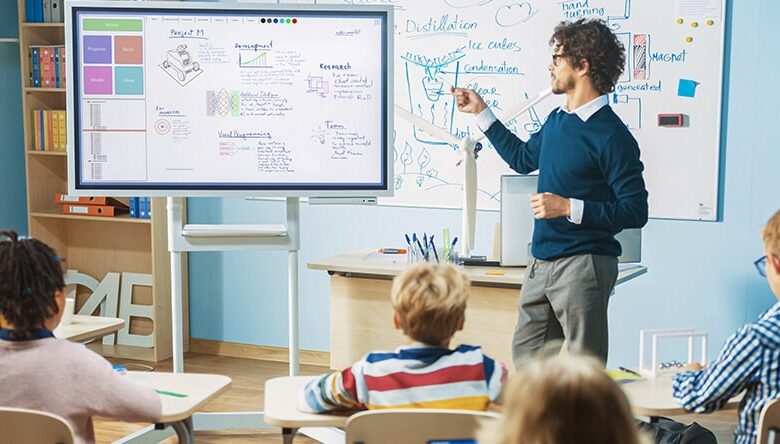
Introduction to Education
Education is the cornerstone of personal development and societal progress. It extends beyond the classroom, encompassing formal, informal, and experiential learning that equips individuals with the skills and knowledge to navigate life successfully. Modern education combines traditional teaching practices with innovative technologies, fostering a more inclusive and interactive learning environment.
The Evolution of Education
Historically, education began with oral traditions, apprenticeships, and informal mentorship. Over centuries, structured schooling systems emerged, integrating subjects such as mathematics, literature, and science. Today, education is globally recognized as a right, with an emphasis on critical thinking, creativity, and digital literacy.
The rise of digital tools, online platforms, and global connectivity has transformed learning from passive absorption to active engagement. Modern education systems are now focusing on preparing students not just for exams but for real-world challenges.
Key Trends in Modern Education
1. Digital Learning and E-Learning Platforms
Digital education has revolutionized access to knowledge. Online courses, educational apps, and interactive e-learning platforms allow learners to study anytime, anywhere. Platforms such as MOOCs (Massive Open Online Courses) provide specialized courses from top universities globally, democratizing education and bridging geographic and economic gaps.
2. Personalized Learning Approaches
Personalized learning tailors education to individual student needs, abilities, and interests. Adaptive learning software uses data analytics to adjust lessons in real-time, ensuring that students progress at their own pace. This approach enhances understanding, engagement, and long-term retention of knowledge.
3. Gamification and Interactive Learning
Gamification integrates game-like elements into education, making learning more engaging. Interactive quizzes, simulations, and educational games enhance motivation, encourage problem-solving, and develop critical thinking skills. Students are more likely to retain concepts when learning is enjoyable and immersive.
4. Collaborative and Experiential Learning
Modern education emphasizes collaboration and real-world experiences. Group projects, peer discussions, and hands-on experiments foster teamwork and practical understanding. Experiential learning bridges the gap between theory and practice, preparing students for professional and personal challenges.
5. STEM and STEAM Education
STEM (Science, Technology, Engineering, Mathematics) education equips students with analytical and problem-solving skills. Integrating Arts into STEM, forming STEAM, promotes creativity alongside technical expertise. These disciplines are crucial for fostering innovation and preparing students for technology-driven careers.
Educational Technology: Tools Transforming Learning
Technological integration has enhanced learning methodologies and accessibility:
- Learning Management Systems (LMS): Platforms like Moodle and Canvas organize course content, track progress, and facilitate communication between teachers and students.
- Virtual and Augmented Reality (VR/AR): Immersive experiences enable students to explore environments such as historical sites or complex scientific concepts firsthand.
- Artificial Intelligence (AI) Tutors: AI-powered systems provide personalized guidance, feedback, and assessment, complementing traditional teaching methods.
- Digital Collaboration Tools: Platforms such as Google Classroom and Microsoft Teams enable seamless collaboration and remote learning.
The Role of Teachers in Modern Education
Despite technological advancements, educators remain central to the learning process. Teachers guide, motivate, and inspire learners, integrating both pedagogical expertise and digital tools to enhance the learning experience. Modern educators also focus on emotional intelligence, ethical reasoning, and critical thinking skills to cultivate well-rounded students.
Education for Lifelong Learning
Education is no longer confined to childhood or formal schooling. Lifelong learning emphasizes continuous personal and professional development. Online certifications, workshops, and skill-based courses enable individuals to adapt to changing job markets and technological advancements. Lifelong learning fosters curiosity, resilience, and adaptability—essential qualities in a rapidly evolving world.
Global Perspectives on Education
Education systems vary worldwide, reflecting cultural, economic, and political contexts. Countries like Finland prioritize equity, creativity, and teacher autonomy, while nations like Singapore focus on academic rigor and STEM excellence. International collaboration, exchange programs, and standardized assessments like PISA help identify best practices and foster global educational improvement.
Challenges in Modern Education
While education has advanced significantly, several challenges persist:
- Access and Equity: Socioeconomic disparities, geographic barriers, and resource limitations prevent equitable access to quality education.
- Digital Divide: Not all learners have access to high-speed internet or digital devices, limiting participation in online learning.
- Curriculum Relevance: Rapid technological and societal changes demand continuous curriculum updates to remain relevant.
- Teacher Training: Continuous professional development is necessary to equip educators with modern teaching strategies and technological skills.
- Student Well-being: Academic pressure and mental health concerns require supportive policies and counseling resources.
Strategies to Enhance Education Quality
To address these challenges, education systems are adopting innovative strategies:
- Blended Learning Models: Combining in-person instruction with digital tools enhances flexibility and engagement.
- Inclusive Education Practices: Programs that accommodate diverse learners, including students with disabilities, promote equity and accessibility.
- Professional Development for Teachers: Regular training programs help teachers integrate technology, pedagogy, and student-centered approaches effectively.
- Global Learning Initiatives: Collaboration with international organizations and cross-cultural exchange programs enrich learning experiences.
- Assessment Reforms: Emphasis on competency-based and formative assessments ensures students develop practical skills alongside theoretical knowledge.
The Future of Education
Education is evolving towards a more holistic, inclusive, and technology-driven paradigm. Future trends may include:
- AI-Driven Personalized Learning: Advanced algorithms will further customize content, pacing, and feedback for individual learners.
- Virtual Campuses and Global Classrooms: Students may attend fully immersive virtual schools with peers from around the world.
- Sustainability Education: Environmental literacy will become a core component of curricula, fostering responsible global citizenship.
- Skill-Based Credentialing: Micro-credentials and digital badges will recognize specific competencies, complementing traditional degrees.
- Integration of Emotional and Social Learning: Developing empathy, collaboration, and ethical reasoning will become essential components of curricula.
Conclusion
Education is the foundation of progress, innovation, and social empowerment. By embracing modern technologies, innovative teaching methods, and inclusive practices, education systems can equip learners with the knowledge, skills, and resilience needed in the 21st century. Lifelong learning, global collaboration, and adaptable curricula ensure that education remains relevant, engaging, and transformative for all.
FAQs About Education
1. How is digital learning changing traditional education?
Digital learning provides flexibility, interactive experiences, and access to global resources, complementing traditional classroom teaching and enabling personalized learning.
2. What is the difference between STEM and STEAM education?
STEM focuses on Science, Technology, Engineering, and Mathematics. STEAM adds Arts to STEM, promoting creativity and interdisciplinary thinking alongside technical skills.
3. How can lifelong learning benefit professionals?
Lifelong learning helps individuals update skills, adapt to industry changes, and enhance career prospects, fostering continuous growth and adaptability.
4. What are the challenges in ensuring equitable education globally?
Challenges include socioeconomic disparities, geographic barriers, the digital divide, limited resources, and cultural differences affecting access to quality education.
5. How do teachers integrate technology effectively in classrooms?
Teachers use digital tools for lesson planning, interactive teaching, assessments, collaboration, and personalized learning, enhancing engagement and learning outcomes.
6. Why is emotional and social learning important in modern education?
Developing emotional intelligence, collaboration, and ethical reasoning equips students with interpersonal skills essential for personal success and societal well-being.
7. What role does assessment play in modern education?
Assessments evaluate knowledge, practical skills, and competencies. Modern approaches prioritize formative and competency-based assessments over traditional exams.

