
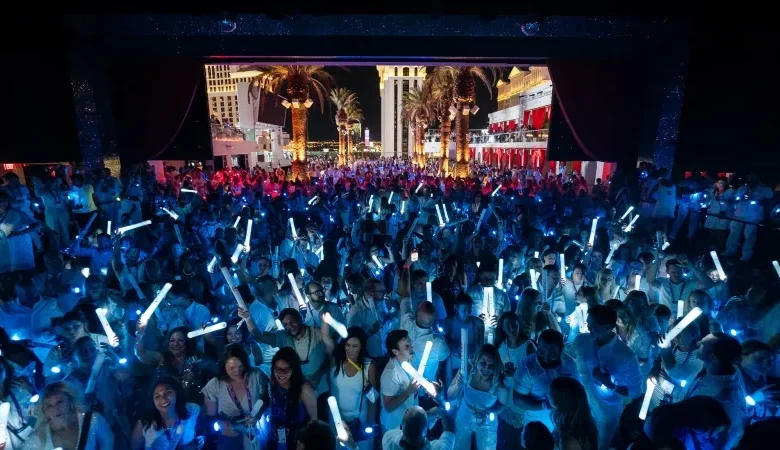
Introduction to Events
Events are organized occasions designed to bring people together for a specific purpose, whether to celebrate, educate, entertain, or network. They play a pivotal role in social, corporate, cultural, and educational contexts. From large-scale conferences to intimate private gatherings, events create opportunities for engagement, communication, and shared experiences. The modern event industry leverages technology, creativity, and strategic planning to deliver impactful experiences that leave lasting impressions on attendees.
The Importance of Events in Society
Events contribute significantly to cultural, social, and economic life. They serve as platforms for knowledge sharing, business networking, entertainment, and community building. Corporate events, such as product launches and trade shows, help companies enhance brand visibility and engage stakeholders. Cultural events, like festivals and concerts, celebrate heritage and foster social cohesion. Educational events, including workshops and seminars, support learning and professional development.
Well-executed events strengthen relationships, encourage collaboration, and enhance organizational or community reputation. They also provide measurable outcomes, such as brand awareness, lead generation, and attendee satisfaction, which are critical in both business and social contexts.
Types of Events
Events vary widely depending on their purpose, audience, and format. Understanding these categories helps organizers tailor their strategies for maximum impact.
1. Corporate Events
Corporate events include conferences, seminars, trade shows, product launches, and team-building activities. These events focus on networking, business growth, employee engagement, and knowledge sharing. Key elements include professional presentations, brand-aligned themes, and interactive sessions that facilitate meaningful connections.
2. Social Events
Social events encompass weddings, anniversaries, birthdays, and private parties. They prioritize personalization, aesthetic appeal, and memorable experiences. Event planners often focus on creating immersive environments, catering to guests’ preferences, and coordinating logistics seamlessly.
3. Cultural and Entertainment Events
Festivals, concerts, theater performances, and exhibitions fall under this category. These events celebrate creativity, heritage, and entertainment. Organizers emphasize audience engagement, immersive experiences, and effective marketing to attract diverse attendees.
4. Educational and Professional Events
Workshops, seminars, academic conferences, and training sessions are designed to impart knowledge, skills, and professional development. Successful educational events require clear objectives, structured agendas, and interactive formats that encourage learning and participation.
5. Virtual and Hybrid Events
The rise of digital platforms has introduced virtual and hybrid events, allowing participants to engage remotely. Virtual conferences, webinars, and online trade shows offer convenience and accessibility, while hybrid events combine physical and digital experiences for broader reach and flexibility.
Event Planning Process
Organizing a successful event involves careful planning, strategic execution, and continuous evaluation. Here’s a detailed breakdown of the process:
1. Defining Objectives and Goals
The first step is establishing the event’s purpose and desired outcomes. Objectives may include brand promotion, community engagement, fundraising, education, or entertainment. Clear goals guide decisions on budget, venue, format, and content.
2. Budget Planning
Budgeting involves estimating expenses for venue, catering, technology, marketing, staffing, and contingency funds. Allocating resources efficiently ensures smooth execution while preventing overspending.
3. Venue Selection and Logistics
Choosing the right venue is crucial for accessibility, capacity, and ambiance. Logistics include seating arrangements, audio-visual equipment, lighting, transportation, and accommodation for attendees or speakers.
4. Marketing and Promotion
Promoting an event involves multi-channel strategies such as social media campaigns, email newsletters, influencer partnerships, press releases, and targeted advertising. Effective marketing maximizes reach and attracts the intended audience.
5. Program Development
Crafting the agenda involves scheduling sessions, performances, workshops, or activities. Consider audience engagement, flow, and timing to maintain interest and create meaningful experiences.
6. Staffing and Coordination
Efficient staffing ensures all operational aspects, from registration to crowd management, run smoothly. Roles include event coordinators, technical staff, hospitality personnel, and volunteers.
7. Risk Management
Identifying potential risks, including technical failures, safety hazards, or unexpected changes, is essential. Contingency planning and insurance coverage mitigate potential disruptions and ensure attendee safety.
8. Post-Event Evaluation
Measuring success involves collecting feedback, analyzing attendance metrics, and evaluating objectives achieved. Post-event analysis provides insights for future improvements and enhances overall event quality.
Trends Shaping Modern Events
The event industry is dynamic, influenced by technology, audience preferences, and cultural shifts. Key trends include:
- Personalization: Tailoring experiences to attendee preferences enhances satisfaction and engagement.
- Hybrid and Virtual Experiences: Digital integration allows global participation and innovative engagement methods.
- Sustainability: Eco-friendly practices, such as digital materials, sustainable catering, and energy-efficient venues, reduce environmental impact.
- Experiential Design: Interactive installations, immersive storytelling, and gamified activities create memorable experiences.
- Data-Driven Insights: Analytics tools track engagement, preferences, and ROI, enabling informed decision-making.
- Social Media Integration: Live streaming, hashtags, and user-generated content amplify event reach and participation.
The Role of Technology in Events
Technology is transforming event planning and execution:
- Event Management Software: Platforms streamline registration, ticketing, scheduling, and communication.
- Virtual Platforms: Tools like Zoom, Hopin, or Microsoft Teams facilitate remote participation and interactive sessions.
- Augmented Reality and VR: Immersive experiences, virtual tours, and interactive booths enhance attendee engagement.
- Live Polling and Feedback Tools: Real-time insights help organizers adapt sessions and improve attendee experience.
- Mobile Applications: Event apps provide schedules, notifications, networking opportunities, and gamification features.
Economic and Social Impact of Events
Events contribute to local economies by generating revenue for hotels, restaurants, transport services, and tourism. They also create employment opportunities for planners, vendors, entertainers, and technical staff. Socially, events foster community engagement, celebrate cultural identity, and support causes through awareness campaigns and fundraising activities.
Challenges in Event Management
While events offer numerous benefits, organizers face challenges such as:
- Budget Constraints: Limited resources may restrict options for venues, technology, or experiences.
- Audience Expectations: Meeting diverse attendee preferences requires creativity and adaptability.
- Logistical Complexities: Coordinating multiple elements simultaneously demands meticulous planning.
- Technological Dependence: Technical failures in digital platforms can disrupt virtual or hybrid events.
- Health and Safety Regulations: Ensuring compliance with safety protocols is critical, particularly in large gatherings.
Future of Events
The future of events is evolving towards immersive, interactive, and inclusive experiences:
- Fully Hybrid Models: Seamless integration of in-person and virtual participation will expand reach and flexibility.
- Artificial Intelligence: AI will assist in personalization, predictive analytics, and automated scheduling.
- Sustainable Practices: Increased emphasis on eco-conscious planning will shape venue selection, materials, and operations.
- Interactive Experiences: Gamification, AR, and VR elements will enhance engagement and memorability.
- Global Networking Opportunities: Technology will connect attendees worldwide, fostering collaboration and knowledge sharing.
Conclusion
Events are more than mere gatherings; they are carefully orchestrated experiences that engage, educate, entertain, and inspire. Effective event planning requires a balance of creativity, strategy, technology, and logistics. By understanding audience needs, leveraging modern trends, and prioritizing innovation, organizers can create events that leave a lasting impact. The evolving landscape of events continues to shape cultural, social, and business experiences, making them an integral part of modern life.
FAQs About Events
1. What are the main types of events?
Events include corporate gatherings, social celebrations, cultural and entertainment events, educational workshops, and virtual or hybrid experiences.
2. How can technology improve event experiences?
Technology enhances registration, communication, engagement, live streaming, interactive activities, and post-event analysis for better experiences.
3. Why is event planning important?
Structured planning ensures logistical efficiency, risk management, audience satisfaction, and goal achievement, making the event successful and impactful.
4. What are the current trends in the event industry?
Key trends include personalization, hybrid and virtual events, sustainability, experiential design, data-driven insights, and social media integration.
5. How do events impact the economy?
Events boost local businesses, tourism, and hospitality sectors while generating employment opportunities and contributing to overall economic growth.
6. What challenges do event organizers face?
Challenges include budget limitations, audience diversity, logistical complexities, technological dependence, and adherence to health and safety regulations.
7. How is the future of events shaping up?
The future emphasizes hybrid models, AI-driven personalization, sustainable practices, immersive experiences, and global networking opportunities, creating more engaging and accessible events.

