Clearing the Air: Why Ambient Air Quality Monitoring Matters for Transport Post-Holiday Season

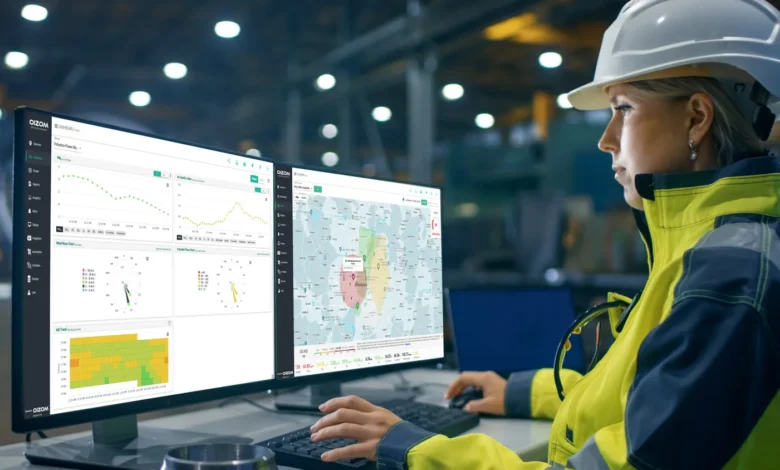
The holiday season brings bustling highways, crowded airports, and overworked transport hubs, but as the festive chaos subsides, an often-overlooked challenge arises: the environmental footprint left behind. With increased traffic and industrial activity during this period, the transport industry faces heightened risks of air pollution. This makes ambient air quality monitoring a vital tool for post-holiday recovery and long-term operational efficiency.
The Post-Holiday Pollution Spike
As transport systems bear the brunt of heightened activity, emissions from vehicles, ships, and aircraft often surge. Idling trucks at distribution centers, increased passenger vehicles on roads, and amplified shipping demands all contribute to an uptick in air pollutants such as particulate matter (PM10, PM2.5), nitrogen dioxide (NO₂), and carbon monoxide (CO). While these pollutants may subside as the season winds down, their lingering effects on air quality and community health cannot be ignored.
This post-holiday pollution spike is not just a simple problem, it also affects the air quality within and around logistics hubs, warehouses, and industrial zones. Without proper monitoring, these areas may unknowingly exceed permissible air quality standards, leading to potential compliance issues and reputational risks for businesses.
The Role of Ambient Air Quality Monitoring
Ambient air quality monitoring serves as a safeguard, providing actionable insights into pollution levels across various locations. For the transport industry, it ensures that emissions are tracked, analyzed, and mitigated effectively. By leveraging advanced monitoring systems, businesses can identify pollution hotspots, determine the sources of emissions, and implement tailored solutions.
Real-time air quality monitoring devices are particularly valuable post-holiday season. These systems can detect even subtle shifts in air quality, helping transport operators identify temporary spikes and plan for long-term improvements. Cloud-based monitoring tools further enhance this capability, offering centralized data access and the ability to analyze trends across multiple sites.
Protecting People and the Planet
The transport industry’s commitment to sustainability has a direct impact on public health. Air pollutants associated with transportation are linked to respiratory and cardiovascular issues, particularly for individuals living near major transport corridors or industrial zones. Post-holiday monitoring allows businesses to not only comply with environmental regulations but also safeguard the communities they serve.
Moreover, monitoring helps businesses take proactive steps toward sustainability. By understanding air quality trends, operators can optimize routes, reduce idle times, and even explore the feasibility of adopting cleaner technologies such as electric or hybrid vehicles. These measures not only improve air quality but also align businesses with global sustainability goals, enhancing their brand reputation.
Turning Data Into Action
The true value of ambient air quality monitoring lies in its ability to translate data into actionable insights. Post-holiday monitoring can reveal patterns that highlight inefficiencies or missed opportunities for improvement. For example, an increase in PM2.5 near loading docks might indicate that idling vehicles are a significant contributor to air pollution. Armed with this information, companies can implement targeted measures such as anti-idling policies or invest in cleaner equipment.
Seasonal monitoring also helps businesses anticipate future challenges. By comparing data across multiple holiday seasons, companies can identify recurring patterns and develop strategies to mitigate spikes before they occur. This forward-looking approach not only reduces environmental impact but also positions businesses as leaders in sustainable transport operations.
A Long-Term Investment
Implementing ambient air quality monitoring systems is more than just a regulatory necessity; it’s a long-term investment in operational excellence. Businesses that prioritize monitoring are better equipped to respond to evolving environmental standards and consumer expectations. Additionally, comprehensive air quality data can serve as a powerful tool for stakeholder communication, demonstrating a company’s commitment to transparency and responsibility.
From supply chain partners to local communities, stakeholders are increasingly scrutinizing the environmental practices of transport operators. Businesses that can showcase measurable improvements in air quality are more likely to earn trust and loyalty, giving them a competitive edge in a rapidly changing industry.
The Road Ahead
As the transport industry moves forward from the holiday season, ambient air quality monitoring offers a clear path to sustainability and resilience. By investing in advanced monitoring systems, businesses can not only address immediate pollution challenges but also build a foundation for continuous improvement.
The post-holiday period is an ideal time to assess air quality impacts, identify areas for growth, and set ambitious yet achievable environmental goals. With the right tools and a commitment to action, the transport industry can navigate the challenges of the modern era while ensuring cleaner air for generations to come.
Ambient air quality monitoring is more than a technical solution—it’s a responsibility. By embracing it, the transport sector can lead the charge toward a healthier, more sustainable future.