
That persistent drip, drip, drip can be more than just annoying. It could be a sign of a hidden plumbing issue, potentially leading to costly water damage and higher water bills. Ignoring it won’t make it go away. Instead, tackling it head-on with professional help is the smartest move. Early detection is key, and knowing who to call can save you a lot of stress and money down the line.
Are you concerned about a potential leak in your home or business? Don’t let it escalate into a major problem. Contacting experienced plumbers for plumbing leak detection is a proactive step towards protecting your property and your wallet. They have the tools and expertise to find the source of the leak and provide effective solutions.
Why is plumbing leak detection important?
Ignoring a plumbing leak is like ignoring a warning light on your car’s dashboard – it’s a recipe for disaster. The consequences can range from minor inconveniences to major structural damage. Understanding the importance of early detection can motivate you to take action sooner rather than later.
Hidden dangers of undetected leaks
Leaks often occur in hidden places, behind walls, under floors, or in ceilings. This makes them difficult to spot until the damage is already significant. By the time you notice water stains or mould growth, the problem may have been festering for weeks or even months.
These hidden leaks can lead to a variety of problems, including:
- Structural damage: Water can weaken timber, corrode metal, and damage plasterboard.
- Mould growth: Damp conditions create the perfect environment for mould, which can cause health problems.
- Increased water bills: Even a small leak can waste a significant amount of water over time.
- Damage to belongings: Leaks can ruin carpets, furniture, and other valuable items.
Benefits of early leak detection
Investing in professional plumbing leak detection offers numerous benefits:
- Saves money: By finding and fixing leaks early, you can prevent costly water damage and reduce your water bills.
- Protects your property: Early detection can prevent structural damage and mould growth, preserving the value of your home or business.
- Conserves water: Fixing leaks helps to conserve this precious resource and reduce your environmental impact.
- Provides peace of mind: Knowing that your plumbing system is in good condition can give you peace of mind.
Signs you might need plumbing leak detection
Being aware of the signs of a potential leak can help you take action before the problem becomes too serious. Keep an eye out for these telltale indicators:
Common warning signs
Several clues can indicate a hidden plumbing leak:
- Unexplained increase in water bills: If your water bill is significantly higher than usual, it could be a sign of a leak.
- Damp patches on walls or ceilings: These patches may indicate a leak behind the surface.
- Mould or mildew growth: Mould thrives in damp environments, so its presence could point to a leak.
- Low water pressure: A leak can reduce water pressure throughout your home.
- Sound of running water when no taps are on: This is a clear sign of a leak somewhere in your system.
- Musty odours: A persistent musty smell can indicate hidden moisture and potential mould growth.
Checking your plumbing system
Regularly inspecting your plumbing system can help you identify potential problems early on. Here’s what to look for:
- Check taps and faucets: Look for drips or leaks around the base of the tap.
- Inspect pipes under sinks: Check for corrosion, leaks, or dampness.
- Examine toilets: Listen for running water after flushing and check for leaks around the base.
- Look for water stains: Check walls and ceilings for any signs of water damage.
How professional plumbing leak detection works
Professional plumbers use a variety of techniques and equipment to locate leaks quickly and accurately. They can pinpoint the source of the problem without causing unnecessary damage to your property.
Advanced leak detection techniques
Plumbers employ a range of sophisticated methods to find hidden leaks:
- Acoustic leak detection: This involves using sensitive listening devices to detect the sound of water escaping from a pipe.
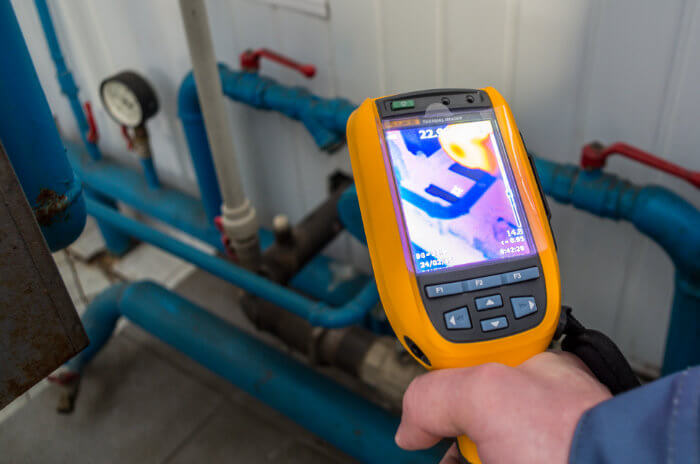
- Thermal imaging: Thermal cameras can detect temperature differences caused by leaks, even behind walls or under floors.
- Video pipe inspection: A small camera is inserted into the pipes to visually inspect for leaks, cracks, or other damage.
- Pressure testing: This involves pressurising the plumbing system and monitoring for pressure drops, which can indicate a leak.
The leak detection process
Here’s a typical overview of the leak detection process:
- Initial assessment: The plumber will ask you about the problem and inspect your property for any visible signs of a leak.
- Leak detection: Using advanced techniques, the plumber will locate the source of the leak.
- Diagnosis: The plumber will assess the extent of the damage and determine the best course of action.
- Repair: The plumber will repair the leak and ensure that your plumbing system is functioning properly.
Choosing the right plumbing leak detection service
Selecting a reputable and experienced plumbing service is crucial for effective leak detection and repair. Look for a company with a proven track record and qualified plumbers.
Factors to consider
When choosing a plumbing service, consider these factors:
- Experience and expertise: Look for a company with years of experience in plumbing leak detection.
- Licensing and insurance: Ensure that the plumbers are licensed and insured to protect you from liability.
- Reputation: Check online reviews and ask for references to gauge the company’s reputation.
- Equipment and technology: A company that uses advanced leak detection equipment is more likely to find leaks quickly and accurately.
- Pricing: Get quotes from several companies and compare their prices.
Questions to ask potential plumbers
Before hiring a plumber, ask these questions:
- Are you licensed and insured?
- How much experience do you have with plumbing leak detection?
- What techniques and equipment do you use?
- Can you provide references from previous clients?
- What is your pricing structure?
- Do you offer a guarantee on your work?
Beyond residential: The importance of industrial plumbing services
While we often think of plumbing in the context of homes, industrial plumbing presents a whole other level of complexity. Factories, warehouses, and other industrial facilities rely on complex plumbing systems for everything from water supply to waste disposal. These systems often involve larger pipes, higher pressures, and specialised equipment. That’s why it’s essential to engage professionals with experience in this area.
Special considerations for industrial plumbing
Industrial plumbing systems have unique requirements:
- Larger scale: Industrial plumbing systems are typically much larger and more complex than residential systems.
- Specialised equipment: Industrial facilities often require specialised plumbing equipment, such as pumps, tanks, and filtration systems.
- Compliance: Industrial plumbing systems must comply with strict regulations and standards.
- Downtime: Plumbing problems in an industrial facility can lead to costly downtime, so prompt and efficient repairs are essential.
Preventative maintenance for industrial systems
Regular maintenance is crucial for preventing plumbing problems in industrial facilities. This includes:
- Inspecting pipes and equipment: Regularly inspect pipes, valves, and other equipment for signs of wear and tear.
- Cleaning drains and sewers: Prevent blockages by regularly cleaning drains and sewers.
- Testing backflow preventers: Ensure that backflow preventers are functioning properly to prevent contamination of the water supply.
- Scheduling regular maintenance: Work with a qualified plumbing contractor to develop a preventative maintenance schedule.
Frequently Asked Questions (FAQs)
Here are some common questions about plumbing leak detection:
How much does plumbing leak detection cost?
The cost of plumbing leak detection varies depending on the complexity of the job and the techniques used. It’s best to get quotes from several plumbers to compare prices.
How long does leak detection take?
The time it takes to locate a leak depends on its location and the complexity of the plumbing system. Simple leaks can be found in a matter of minutes, while more complex leaks may take several hours.
Can I detect a leak myself?
While you can check for visible signs of a leak, detecting hidden leaks requires specialised equipment and expertise. It’s best to call a professional plumber for accurate detection.
What if the plumber can’t find the leak?
Reputable plumbers will have the experience and tools to locate even the most elusive leaks. If they are unable to find the leak, they should offer alternative solutions or recommend another specialist.
How can I prevent leaks in the future?
Regular maintenance, such as inspecting pipes and fixing minor leaks promptly, can help prevent future plumbing problems. Consider insulating pipes to protect them from freezing temperatures.


