
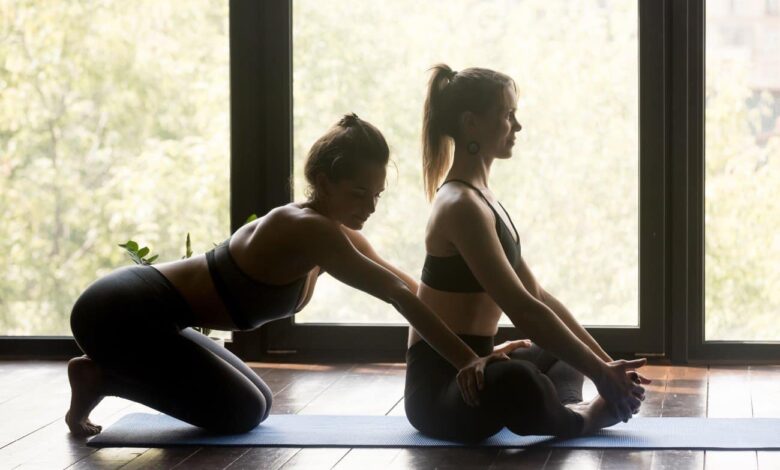
Food choices play a bigger role in yoga performance and recovery than most people realise. In Singapore’s humid climate and fast-paced lifestyle, what you eat before and after movement can either support your practice or quietly work against it. This is especially true for personalised sessions such as private yoga classes singapore, where the goal is not just movement, but better body awareness, energy balance, and long-term wellbeing.
Unlike generic nutrition advice, food pairing for private yoga looks at timing, digestion, hydration, and cultural eating habits. The aim is not restriction, but smarter choices that align with how your body moves, breathes, and recovers.
Why Food Matters in One to One Yoga Sessions
Private yoga sessions are tailored to your energy levels, nervous system state, and physical condition on that day. Food directly affects all three. Eating the wrong thing at the wrong time can lead to sluggishness, bloating, dizziness, or difficulty focusing during practice.
When food choices are aligned with your session goals, you may notice:
-
More stable energy throughout practice
-
Better breath control and comfort
-
Reduced muscle stiffness and cramps
-
Faster recovery after sessions
-
Improved focus and mind-body connection
This makes nutrition a quiet but powerful part of the overall experience.
Understanding Digestion in a Humid Climate
Singapore’s warm and humid weather affects digestion. Heavy, greasy, or overly spicy foods can feel more intense in the body, especially when combined with movement. Private yoga instructors often observe how digestion impacts posture, breathing, and comfort during sessions.
Key digestive considerations include:
-
Heat and humidity increasing sluggish digestion
-
Large meals creating pressure in twists or forward folds
-
Dehydration increasing fatigue and muscle tightness
-
Late eating affecting sleep and recovery
Food pairing helps reduce these issues without forcing drastic dietary changes.
Pre Session Food Timing for Private Yoga
How Long Before a Session Should You Eat
For most people, eating two to three hours before a private yoga session allows enough time for digestion while maintaining energy. Smaller snacks can be taken closer to the session if needed.
The ideal timing depends on:
-
Session intensity and focus
-
Your personal digestion speed
-
Whether the session is movement-heavy or restorative
-
Time of day and work schedule
Private yoga allows these details to be adjusted based on how your body responds.
Best Pre Session Food Choices
Pre session meals should feel light, nourishing, and easy to digest. In Singapore, this often means choosing familiar foods in simpler forms rather than raw or overly processed options.
Good choices may include:
-
Steamed rice with vegetables and a small protein portion
-
Clear soups with tofu or lean meats
-
Fruits like papaya or banana in moderate amounts
-
Oats with warm milk alternatives and seeds
These foods support steady energy without heaviness.
Foods to Limit Before Practice
Certain foods can interfere with comfort and breathing during yoga, especially in one to one sessions where subtle sensations are more noticeable.
It may help to limit:
-
Fried or oily foods
-
Large portions of red meat
-
Very spicy dishes
-
Sugary desserts just before practice
Avoiding these close to your session reduces digestive strain and discomfort.
Hydration and Electrolyte Balance
Hydration is often overlooked, yet it is essential for muscle function and nervous system regulation. In Singapore’s climate, mild dehydration can happen quickly, even without intense sweating.
Private yoga sessions may highlight hydration issues through:
-
Muscle cramps or tightness
-
Difficulty focusing or feeling light-headed
-
Increased fatigue during slow movements
Simple hydration habits include:
-
Drinking water consistently throughout the day
-
Adding a pinch of salt or natural electrolytes if you sweat easily
-
Avoiding excessive caffeine before sessions
Balanced hydration supports smoother movement and recovery.
Food and Breath Awareness
Breathing is central to yoga, and digestion directly affects how freely the breath moves. A full or irritated digestive system can restrict diaphragm movement and increase chest breathing.
In private yoga, instructors often notice:
-
Shallow breathing linked to bloating
-
Tension in the abdomen affecting posture
-
Difficulty relaxing in restorative poses
Choosing foods that sit comfortably in the stomach allows the breath to move naturally, supporting both physical and mental ease.
Post Session Recovery Nutrition
Why Recovery Food Matters
After a private yoga session, the body enters a recovery phase. Muscles repair, the nervous system settles, and energy stores rebalance. Post session food supports this process without overwhelming digestion.
Benefits of thoughtful recovery nutrition include:
-
Reduced soreness
-
Faster tissue repair
-
Better sleep quality
-
Sustained energy through the day
This is especially important for sessions focused on strength, mobility, or deep nervous system work.
Ideal Post Session Food Options
Post session meals should be grounding, nourishing, and easy to digest. Warm foods often feel more supportive than cold or raw options.
Suitable choices may include:
-
Rice or noodles with vegetables and protein
-
Light curries with controlled spice levels
-
Eggs with toast or grains
-
Soups and stews that replenish fluids
These meals help stabilise the body after movement.
Managing Food Choices Around Evening Sessions
Evening private yoga sessions are common for working professionals in Singapore. Food timing becomes especially important here, as heavy meals late at night can disrupt sleep.
Helpful strategies include:
-
Eating a lighter dinner after the session
-
Avoiding late-night sugary snacks
-
Choosing warm, calming foods
-
Keeping portions moderate
This supports both recovery and restful sleep.
Cultural Eating Habits and Yoga Compatibility
Singapore’s diverse food culture is rich and flavourful. Private yoga does not require giving this up. Instead, it encourages awareness of how different foods affect your body.
Rather than strict rules, the focus is on:
-
Noticing how you feel during practice after certain meals
-
Adjusting portion sizes rather than eliminating foods
-
Choosing preparation methods that feel lighter
-
Balancing indulgent meals with gentler movement days
This flexible approach makes food pairing realistic and sustainable.
Using Private Yoga to Build Food Awareness
One to one yoga sessions often heighten body awareness. Over time, you may naturally become more attuned to how food affects your movement, mood, and energy.
This awareness can lead to:
-
Better intuitive eating decisions
-
Reduced reliance on external diet rules
-
Improved digestion through mindful pacing
-
Stronger connection between nourishment and wellbeing
Food becomes supportive rather than stressful.
Aligning Nutrition With Personal Yoga Goals
Private yoga sessions are designed around your goals, whether that is stress relief, mobility, strength, or recovery. Food pairing adapts accordingly.
For example:
-
Stress-focused sessions benefit from calming, warm foods
-
Strength sessions may require more protein support
-
Mobility-focused work pairs well with anti-inflammatory foods
-
Restorative practices align with lighter evening meals
This alignment enhances results without adding complexity.
Creating Sustainable Habits Through One to One Guidance
Private yoga creates space for conversations around lifestyle, including food habits. Small adjustments made consistently are more effective than dramatic changes.
At Yoga Edition, one to one sessions support holistic wellbeing, encouraging sustainable habits that fit real life in Singapore. Food pairing becomes part of a larger picture of balance, not a separate challenge.
FAQs
Q: Can I practise private yoga on an empty stomach?
A: Some people feel comfortable practising light sessions on an empty stomach, especially in the morning. However, for longer or more active sessions, a small nourishing snack can help maintain energy.
Q: Are smoothies good before private yoga sessions?
A: Smoothies can work if they are simple and not too cold or heavy. Avoid large portions or excessive fruit sugars close to your session.
Q: Does diet need to change completely for private yoga?
A: No. Private yoga focuses on awareness and timing rather than strict dietary changes. Small adjustments usually make a noticeable difference.
Q: What should I eat if I feel tired after yoga?
A: Feeling tired may indicate low hydration, insufficient fuel, or nervous system release. A balanced meal with carbohydrates, protein, and fluids usually helps restore energy.
Q: Can private yoga help with emotional eating patterns?
A: While private yoga is not a nutrition program, increased body awareness and stress regulation can support healthier relationships with food over time.

