
The world of autos has evolved dramatically over the last decade. From electric vehicles reshaping urban transportation to advanced safety systems making driving more secure, the auto industry is experiencing innovations at an unprecedented pace. Understanding these changes is crucial for anyone passionate about cars, whether you’re a driver, a car enthusiast, or a prospective buyer.
The Evolution of the Auto Industry
The auto industry has come a long way since the first gasoline-powered car hit the streets in the late 19th century. Today, global markets are dominated by vehicles that prioritize fuel efficiency, environmental sustainability, and digital connectivity. Automakers are now balancing performance, design, and safety with eco-friendly technology to meet the demands of modern consumers.
Key Trends Shaping the Auto Sector
1. Electric Vehicles (EVs) and Hybrid Cars
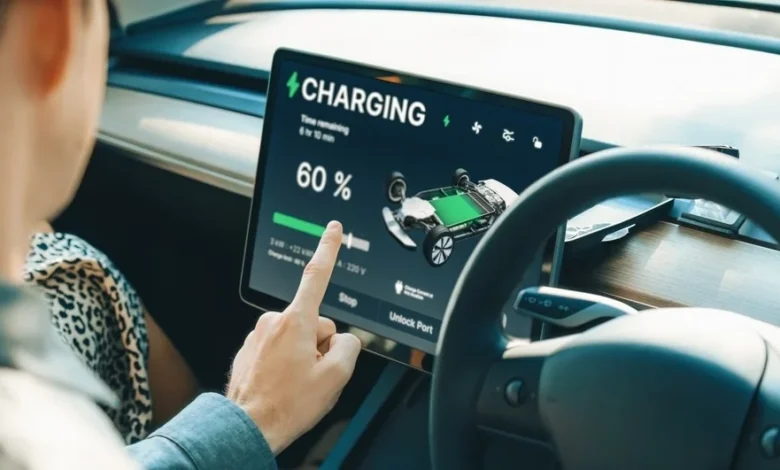
Electric vehicles have transformed the way people perceive driving. Major automakers like Tesla, Nissan, and BMW have introduced electric and hybrid options to reduce dependency on fossil fuels. Innovations such as regenerative braking, faster charging stations, and improved battery longevity are making EVs more practical for daily use. Hybrids remain popular for drivers who want a balance between traditional fuel efficiency and green technology.
2. Autonomous Driving and AI Integration
Autonomous or self-driving vehicles are no longer just a futuristic concept. Companies like Waymo, Tesla, and Cruise are developing AI-driven systems capable of navigating city streets and highways with minimal human intervention. These technologies promise enhanced safety, reduced traffic congestion, and greater accessibility for those unable to drive.
3. Connected Cars and Smart Features
Modern autos now feature integrated connectivity with smartphones, cloud services, and traffic monitoring systems. Features such as real-time navigation updates, remote diagnostics, and in-car entertainment are redefining the driving experience. Smart sensors also monitor vehicle performance, alerting drivers to potential issues before they become major problems.
4. Sustainability and Eco-Friendly Materials
Environmental awareness is influencing the auto market. Manufacturers are adopting sustainable materials in vehicle production, including recycled plastics, natural fibers, and eco-friendly paints. Additionally, stricter emissions standards in countries worldwide are pushing automakers to innovate with cleaner engines and alternative fuels.
Auto Safety: Innovations Saving Lives
Safety has always been a top priority in the auto industry, and modern vehicles are equipped with technologies that make driving safer than ever.
- Advanced Driver Assistance Systems (ADAS): Features such as lane-keeping assist, adaptive cruise control, and automatic emergency braking help prevent collisions.
- Airbags and Reinforced Frames: Multiple airbags, crumple zones, and high-strength steel frames protect occupants in case of accidents.
- Blind Spot Detection and Rear Cross Traffic Alert: These systems reduce accidents during lane changes and reversing maneuvers.
- Tire Pressure Monitoring Systems (TPMS): Maintaining optimal tire pressure prevents blowouts and enhances vehicle control.
Auto Maintenance: Tips for Longevity and Performance
Maintaining your car is essential to ensure reliability, safety, and longevity. Here are some crucial auto maintenance tips:
- Regular Oil Changes: Engine oil lubricates internal parts, reducing wear and tear. Check your owner’s manual for recommended intervals.
- Brake System Checks: Inspect brake pads, rotors, and fluid levels to ensure optimal braking performance.
- Tire Care: Rotate tires regularly and check tread depth to maintain traction and reduce wear.
- Battery Maintenance: Clean terminals and test battery life, especially before extreme weather seasons.
- Fluid Levels: Ensure transmission, coolant, and power steering fluids are at proper levels.
Buying a Car: What to Consider in 2025
Purchasing a new or used vehicle requires careful consideration of several factors:
- Budget and Financing Options: Determine your price range and explore financing, leasing, or loan options.
- Fuel Efficiency and Total Cost of Ownership: Factor in fuel, insurance, maintenance, and depreciation.
- Vehicle Type and Usage: Consider whether a sedan, SUV, or electric vehicle best suits your lifestyle and driving habits.
- Technology and Features: Prioritize features that enhance safety, comfort, and convenience.
- Resale Value: Check historical resale data to estimate long-term value retention.
Auto Technology: Staying Ahead in the Digital Era
Automakers are investing heavily in digital technologies to improve both the driving experience and vehicle performance. Some of the most notable advancements include:
- Infotainment Systems: Touchscreen interfaces, voice commands, and smartphone integration are standard in most modern vehicles.
- Vehicle-to-Everything (V2X) Communication: Cars communicate with each other, traffic signals, and road infrastructure to improve traffic flow and safety.
- Over-the-Air Updates: Automakers can update vehicle software remotely, enhancing performance without a service visit.
- Predictive Maintenance: AI analyzes driving habits and vehicle data to recommend proactive maintenance, minimizing unexpected breakdowns.
The Future of Autos: Trends to Watch
Looking ahead, the auto industry is poised for continued transformation. Key developments include:
- Fully Autonomous Urban Mobility: Self-driving taxis and shuttles may become commonplace in major cities.
- Solid-State Batteries: Promising faster charging times, higher capacity, and improved safety for electric vehicles.
- Shared Mobility Solutions: Ride-sharing, car-sharing, and subscription models could reduce the need for personal vehicle ownership.
- Advanced Sustainability: Hydrogen fuel cells, carbon-neutral production, and enhanced recycling initiatives will drive the industry toward a greener future.
Conclusion
The auto industry is evolving at an extraordinary pace, blending traditional engineering with modern digital innovation. Whether you are buying a car, maintaining your vehicle, or simply interested in emerging technologies, staying informed about trends, safety features, and eco-friendly innovations is essential. By understanding these changes, drivers can make smarter decisions, enjoy safer travels, and contribute to a sustainable automotive future.
FAQs About Autos
1. What is the difference between hybrid and electric cars?
Hybrid cars use a combination of gasoline engines and electric motors, whereas fully electric cars rely solely on batteries for propulsion. Hybrids offer extended range, while EVs are more environmentally friendly.
2. How often should I service my car?
Service frequency depends on the vehicle manufacturer, but most cars benefit from a basic check every 5,000 to 10,000 miles, including oil changes, brake inspections, and tire rotations.
3. Are autonomous vehicles safe to use on public roads?
Autonomous vehicles are equipped with advanced sensors and AI systems designed to enhance safety. While technology is improving rapidly, drivers should remain attentive, especially in mixed traffic environments.
4. How long do electric car batteries typically last?
Modern EV batteries can last 8 to 15 years depending on usage, climate, and charging habits. Regular maintenance and avoiding extreme temperatures can extend battery life.
5. What are the benefits of connected car technology?
Connected car technology allows real-time traffic updates, remote diagnostics, emergency alerts, and smartphone integration, improving convenience, safety, and efficiency.
6. How can I improve my car’s fuel efficiency?
Maintain proper tire pressure, perform regular engine checks, drive smoothly without harsh acceleration or braking, and avoid carrying unnecessary weight.
7. What should I prioritize when buying a car in 2025?
Focus on safety features, fuel efficiency or alternative power sources, connectivity options, total cost of ownership, and resale value to make a smart investment.


