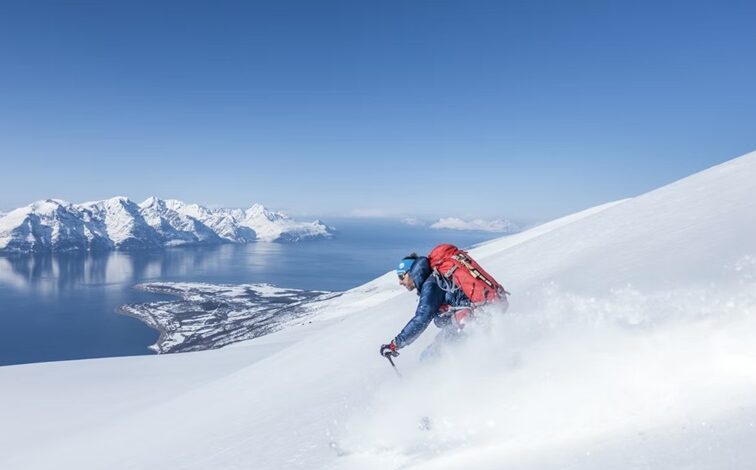
Skiing holidays demand more than just warm clothes and a decent level of fitness. The right eyewear can make or break your time on the slopes—both in terms of performance and protection. Whether you’re carving through fresh powder or soaking up the après-ski atmosphere, knowing what to pack for your eyes is just as important as remembering your thermal layers.
Sunglasses: Not Just for the Beach
A common rookie mistake is underestimating how strong the sun can be in the mountains. The glare from snow can be brutal, especially on clear days, and regular fashion sunglasses won’t cut it. Sunglasses for skiing need to offer high UV protection and ideally be polarised to reduce glare. Look for wraparound styles that offer more coverage and sit snugly on your face without letting light in from the sides.
Sports sunglasses are worth considering here—not the kind you wear for a jog around the park, but technical frames made specifically for mountain environments. They’re designed to stay put at speed, often come with interchangeable lenses, and can usually handle knocks better than their designer cousins. That said, if you’re heading from the slopes straight into town, it doesn’t hurt to bring a second pair that leans more towards style without sacrificing too much function.
Prada Linea Rossa glasses strike a good balance between sport and luxury. The frames are streamlined and modern, but still robust enough for active use. If you’d rather opt for something timeless, Ray-Ban glasses with polarised lenses can pull double duty on the mountain and during après-ski, though you may still want something more purpose-built while actually skiing.
Ski Goggles: Essential, Not Optional
Let’s be clear: goggles for skiing are non-negotiable. On snowy, overcast days—or during whiteouts—ski goggles offer the visibility and protection that sunglasses simply can’t. They also shield your eyes from icy wind, flying snow, and rogue ski poles.
Lens colour matters more than many realise. Yellow or amber-tinted lenses enhance contrast in low-light conditions, while darker lenses are better suited to sunny days. If you’re investing in just one pair, photochromic lenses that adjust to light levels are a smart choice.
Ventilation is key. Poorly ventilated goggles fog up fast, which makes skiing not only frustrating but dangerous. Look for models with double lenses and anti-fog coatings. You’ll also want to make sure your goggles fit comfortably with your helmet. There’s nothing worse than getting to the top of a lift and realising your gear doesn’t work together.
Brands like Oakley have earned a solid reputation for technical eyewear, and their prescription goggles or inserts are especially good if you don’t want to faff about with contact lenses in the cold. If you prefer something a little more fashion-forward, Miu Miu sunglasses and Linda Farrow glasses bring style to the slopes—ideal for sunny days when you swap your goggles out for something more refined during a terrace lunch.
Prescription Considerations
Wearing glasses on the slopes can be a faff, especially under a helmet or goggles. But there are plenty of solutions that don’t involve choosing between vision and comfort.
If you wear specs daily, investing in prescription goggles or sports sunglasses with prescription lenses is a game changer. Several brands offer inserts that fit neatly behind the goggle lens, meaning you won’t have to wedge your everyday frames under your gear. Oakley prescription glasses and Tom Ford prescription glasses are two names worth looking into, depending on whether performance or design takes priority.
For those who split their time between the mountains and town, packing both prescription sunglasses and goggles means you’re covered in every scenario. Versace glasses, for example, offer plenty of visual drama without sacrificing practicality, and can easily carry prescription lenses for day-to-day use.
Protecting Your Gear (and Your Face)
It’s not just about what you wear, but how you store it. Sunglasses can get crushed in backpacks, and goggles can scratch easily. Use hard cases for both, and pack them near the top of your bag to avoid squashing them under boots or jackets.
If you’re bringing multiple pairs of glasses—say, Oliver Peoples glasses for evenings, plus technical eyewear for the slopes—it’s worth having a small pouch or organiser to keep everything in order. The last thing you want is to spend half your holiday untangling straps or hunting down that elusive cleaning cloth.
Bonus Tips for Your Ski Bag
- Always pack a microfibre cloth or two. Glove-friendly lens wipes are even better.
- Consider a backup pair of glasses or contacts, just in case.
- Bring a neck gaiter or buff that can cover your nose and cheeks—cold air can cause your eyes to water, even with goggles on.
- If you wear daily contacts, bring eye drops. Mountain air is dry and your eyes will feel it.
Eyewear often gets left until the last minute when packing for a ski trip, but it’s as important as your boots or base layers. Whether you need prescription lenses, sports eyewear, or simply something with a bit more flair for your post-ski wind-down, the right pair of glasses can improve your comfort, performance, and overall experience. Pick wisely and you’ll spend more time enjoying the view—and less time squinting at it.