
In today’s fast-paced world, maintaining focus and achieving a state of relaxation can be challenging. Many individuals struggle with distractions, stress, or mental fatigue, which can affect productivity, mood, and overall well-being. At home neurofeedback therapy offers a practical solution, allowing people to train their brains to improve attention, reduce stress, and promote relaxation from the comfort of their own homes. This non-invasive, technology-driven approach has made brain training accessible and convenient, enabling users to achieve measurable improvements in cognitive function and emotional balance.
Understanding At Home Neurofeedback Therapy
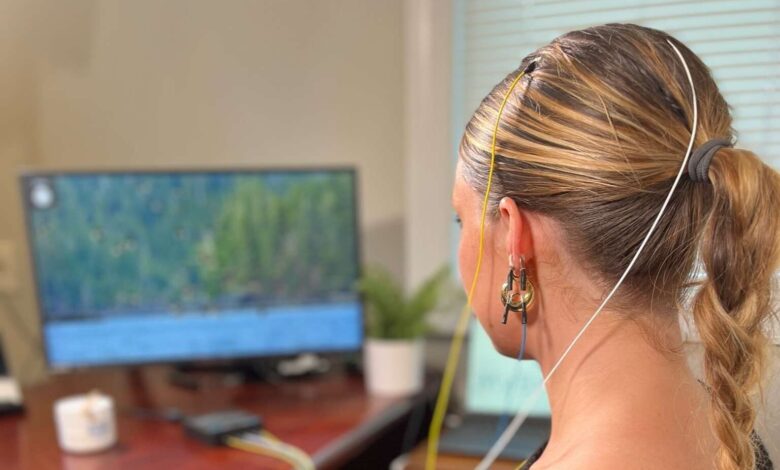
At home neurofeedback therapy, also known as EEG biofeedback, is a technique that monitors brainwave activity and provides real-time feedback to help the brain self-regulate. Sensors placed on the scalp measure electrical activity in different brain regions. This information is then translated into visual or auditory cues that guide users in modifying their brain activity to achieve desired states, such as increased focus or relaxation.
Unlike traditional neurofeedback therapy conducted in clinical settings, at home neurofeedback therapy systems are designed to be user-friendly and safe for personal use. Many devices come with guided programs and interactive exercises, making it possible for users to engage in sessions without professional supervision. This flexibility allows for consistent practice, which is essential for reinforcing positive neural patterns and achieving lasting results.
The therapy works by encouraging the brain to recognize and reinforce optimal patterns of activity. For example, individuals seeking to enhance focus may train their brains to maintain beta wave activity associated with attention, while those aiming for relaxation may increase alpha or theta waves linked to calmness and reduced stress. Over time, these repeated training sessions can lead to improved cognitive control, emotional regulation, and mental clarity.
Benefits of At Home Neurofeedback Therapy for Focus
One of the most significant advantages of at home neurofeedback therapy is its ability to improve concentration and mental performance. Many users report enhanced focus, better task completion, and reduced susceptibility to distractions after consistent training. This makes it a valuable tool for students, professionals, and anyone seeking to enhance productivity and cognitive efficiency.
Focused brain activity allows for more effective problem-solving, decision-making, and learning. By training specific neural pathways, at home neurofeedback therapy helps individuals maintain sustained attention during work or study sessions. The ability to regulate attention and maintain mental clarity can also reduce cognitive fatigue, allowing users to accomplish more in less time while minimizing stress associated with multitasking or mental overload.
In addition to cognitive improvements, enhancing focus through neurofeedback therapy can support emotional stability. Improved attention control helps individuals manage impulsive reactions, maintain composure under pressure, and respond thoughtfully to challenges. This dual benefit of cognitive and emotional enhancement makes at home neurofeedback therapy a holistic approach to personal development and mental wellness.
Promoting Relaxation and Stress Reduction
In addition to enhancing focus, at home neurofeedback therapy is highly effective in promoting relaxation and reducing stress. Many modern lifestyles involve constant stimulation, pressure to perform, and exposure to environmental stressors. Neurofeedback training helps the brain recognize states of calmness and reinforces patterns associated with relaxation, enabling users to reduce anxiety and achieve a balanced emotional state.
Sessions designed for relaxation often encourage alpha and theta wave activity, which are linked to calm alertness and deep relaxation. As individuals practice, they learn to shift their mental state from heightened stress or mental tension to a more peaceful and centered mindset. This can have immediate benefits, such as reduced muscle tension, lower heart rate, and improved mood, as well as long-term advantages like enhanced resilience to stress and better overall mental health.
At home neurofeedback therapy allows individuals to integrate relaxation training into their daily routine. Unlike clinical sessions that may be scheduled infrequently, at-home systems enable users to practice as often as needed, whether during breaks, after work, or before sleep. This consistent exposure reinforces relaxation techniques and helps create lasting neural adaptations that promote calmness in everyday life.
Maximizing the Benefits of At Home Neurofeedback Therapy
To achieve optimal results, it is important to use at home neurofeedback therapy consistently and correctly. Users should follow the setup instructions carefully, ensuring that sensors are positioned accurately and that the software is calibrated for their specific needs. Many systems include progress tracking features, allowing users to monitor improvements in focus, relaxation, and overall brain activity over time.
Creating a dedicated, quiet space for sessions can enhance the effectiveness of the therapy. Minimizing distractions and providing a comfortable environment allows the brain to engage fully in the training exercises. Combining neurofeedback sessions with supportive lifestyle practices, such as adequate sleep, regular exercise, and mindfulness techniques, can amplify the benefits, promoting cognitive efficiency and emotional well-being simultaneously.
At home neurofeedback therapy also allows for personalized training. Users can adjust session duration, frequency, and difficulty based on their progress and goals. This flexibility ensures that the training remains engaging and aligned with individual needs, making it easier to maintain consistent practice and achieve meaningful results over time.
By focusing on both attention and relaxation, at home neurofeedback therapy addresses two critical aspects of mental wellness. Improved focus supports productivity and learning, while enhanced relaxation reduces stress, improves mood, and promotes overall balance. Together, these benefits create a foundation for optimal brain function, helping individuals navigate daily challenges with greater clarity, calmness, and resilience.
At home neurofeedback therapy represents a significant advancement in accessible brain training. By bringing professional-grade neurofeedback into personal spaces, it empowers users to take control of their cognitive and emotional health. Its combination of convenience, safety, and effectiveness makes it a valuable tool for anyone seeking to improve focus, reduce stress, and achieve a greater sense of mental clarity and balance.

